
Last updated: March 2026
Equipment finance vs leasing: which is right for your business?
What is Equipment Finance?
Equipment finance refers to products like chattel mortgage and hire purchase that allow you to acquire and own business equipment. With a chattel mortgage, you take ownership of the asset from day one while the lender holds a mortgage over it as security. With hire purchase, the lender owns the asset during the term, and ownership transfers to you once you make the final payment.
Typical terms range from 1 to 7 years, depending on the asset's useful life and the lender's criteria. Because you own (or will own) the asset, you can claim depreciation and interest as tax deductions. The equipment appears on your balance sheet, which can strengthen your asset position when applying for future finance.
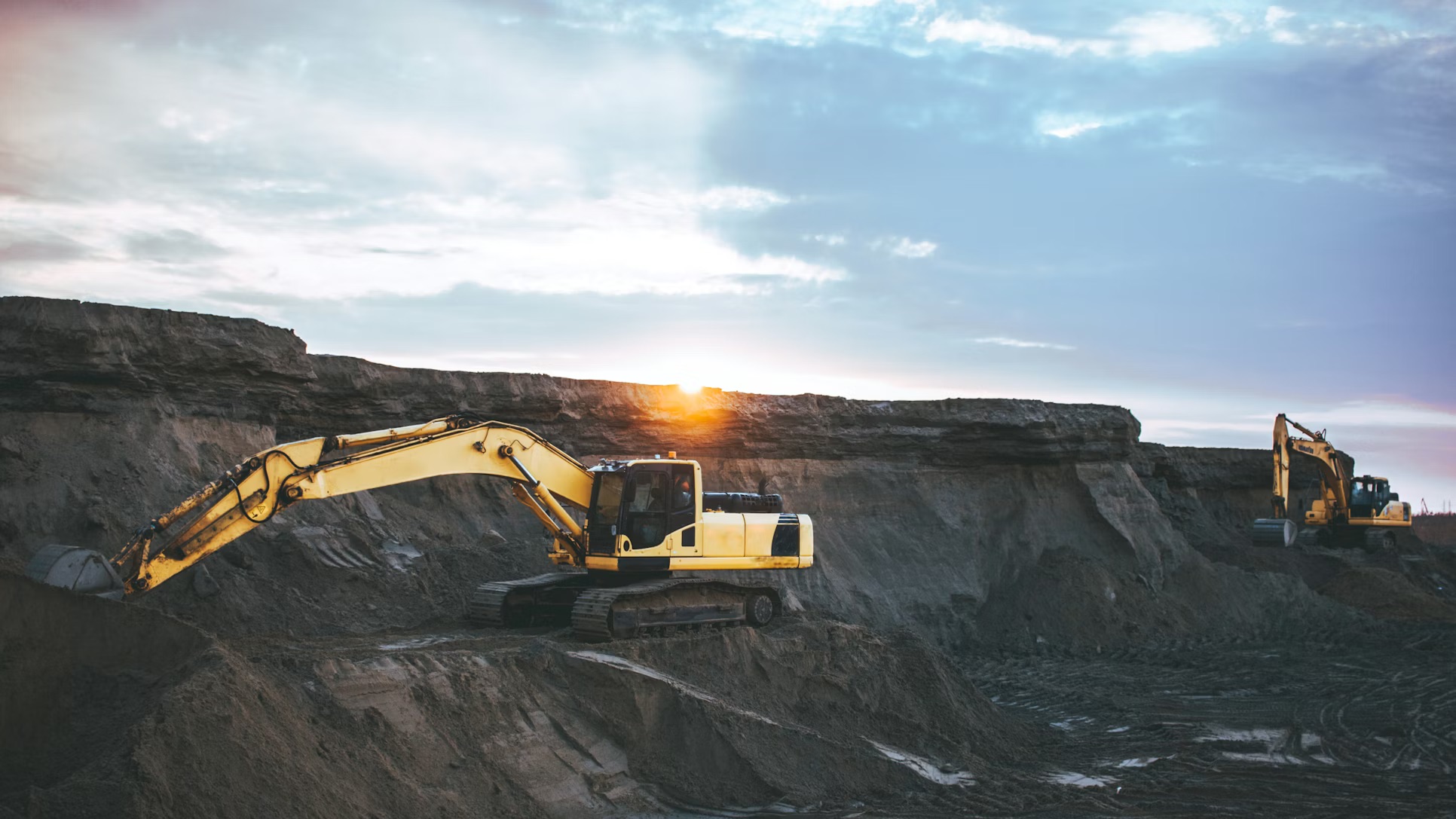
Equipment finance is commonly used for vehicles, machinery, manufacturing equipment, construction plant, and other assets that hold their value over time.
What is Equipment Leasing?
Leasing lets you use equipment without owning it. There are two main types: finance lease and operating lease.
A finance lease is a longer-term arrangement where you use the asset for most of its useful life. At the end of the lease, you may have an option to purchase the equipment at its residual value, return it, or re-lease it. The lender retains ownership throughout the term.
An operating lease is a shorter-term arrangement. You return the asset at the end of the term, making it ideal for equipment you only need temporarily or plan to upgrade frequently. Under older accounting standards, operating leases can be kept off your balance sheet, which some businesses prefer for reporting purposes.
In both cases, lease payments are typically fully tax-deductible as an operating expense, simplifying your tax treatment compared to depreciation schedules.
Pros and Cons: Side by Side
| Equipment Finance | Leasing | |
|---|---|---|
| Ownership | Yes (from start or end of term) | No (unless purchase option exercised) |
| Tax Benefits | Depreciation + interest deductions | Lease payments fully deductible |
| Balance Sheet | Asset appears on balance sheet | Operating lease may be off-balance-sheet |
| Cash Flow | Higher upfront cost possible | Lower regular payments |
| Flexibility | Own the asset, sell anytime | Return at end, upgrade easily |
| GST | Claim GST upfront (chattel mortgage) | Pay GST on each lease payment |
| Residual/Balloon | Optional balloon payment | May have residual value guarantee |
| Best For | Long-term use, want to own | Short-term use, want to upgrade frequently |
Tax Implications
Tax treatment is often the deciding factor. Here's how the main options compare.
With a chattel mortgage, you can claim depreciation on the asset, deduct interest on the loan, and claim the full GST upfront in the BAS period you acquire the equipment. If your business is eligible for the instant asset write-off, you may be able to deduct the full cost of the asset in the year of purchase, which can deliver a significant tax benefit.
With a finance lease, your lease payments are tax-deductible as an operating expense. You cannot claim depreciation because you don't own the asset, but the simplicity of deducting regular payments appeals to many businesses.
With an operating lease, payments are also deductible. Under older accounting standards, the lease may stay off your balance sheet entirely, although newer AASB 16 standards have changed this for some businesses.
Important: tax rules change, and your specific situation matters. Always consult your accountant before making a decision based on tax treatment alone.
Cash Flow Impact
Equipment finance typically requires a deposit of 0-20% of the asset's value, followed by principal and interest repayments over the term. The deposit requirement varies by lender and your credit profile. For GST-registered businesses using a chattel mortgage, claiming GST upfront can offset some of the initial cash outlay.
Leasing usually involves no deposit and lower regular payments than equivalent finance arrangements. This is because you're paying for the use of the asset, not its full value. Monthly or quarterly lease payments are predictable and easy to budget for.
For businesses managing tight cash flow, leasing preserves working capital that can be deployed elsewhere in the business. For businesses that want to build asset value on their balance sheet and have the cash flow to support higher repayments, equipment finance is generally the stronger long-term play.
When to Choose Equipment Finance
- You plan to use the asset for its full useful life
- You want to build assets on your balance sheet to strengthen future borrowing capacity
- You want to take advantage of depreciation tax benefits
- The equipment has strong resale value (e.g., earthmoving, trucks, CNC machines)
- You're eligible for the instant asset write-off
When to Choose Leasing
- You need to upgrade equipment regularly (e.g., IT hardware, vehicles, medical scanners)
- You want predictable, lower payments with minimal upfront cost
- You prefer off-balance-sheet treatment for cleaner financial reporting
- You don't want to deal with selling or disposing of old equipment
- The technology changes quickly and the asset will lose value rapidly
"There's no one-size-fits-all answer. A construction company buying a $500K excavator it'll use for 10 years should probably own it. A medical practice upgrading scanning equipment every 3 years might be better off leasing. We model both options so you can see the real numbers."
The right structure depends on your business, your tax position, and your plans for the equipment. If you're weighing up your options, explore our business growth finance solutions that can support your business. Equipment finance is one of seven financing types available to Australian businesses; for the full picture, see our guide to 7 types of business finance in Australia.
Frequently asked questions
Equipment finance, through a chattel mortgage or hire purchase, gives you ownership of the asset either from the start or once you make the final payment. Leasing lets you use the equipment without owning it, through a finance lease or an operating lease, and you typically return the asset at the end of the term. The right choice comes down to your tax position, cash flow, and how long you plan to keep using the equipment.
The tax treatment differs between the two. With a chattel mortgage you can claim depreciation on the asset and deduct the interest on the loan, and you may also be eligible for the instant asset write-off. With a finance lease or an operating lease your regular payments are tax-deductible as an operating expense, but you cannot claim depreciation because you don't own the asset. Tax rules change and your situation matters, so it's worth confirming the right treatment with your accountant before deciding.
Leasing usually asks for no deposit and lower regular payments, since you're paying for the use of the asset rather than its full value, which makes it easier to preserve working capital for other parts of the business. Equipment finance typically requires a deposit of 0-20% of the asset's value along with principal and interest repayments over the term, though claiming GST upfront on a chattel mortgage can offset some of that initial outlay. Businesses that want to build asset value on the balance sheet and have the cash flow to support higher repayments tend to find equipment finance the stronger long-term option.
Working out the right structure for your equipment purchase?
The finance vs lease decision depends on your tax position, how long you plan to use the asset, and what you want on your balance sheet. We can map both options to your specific scenario so the numbers are clear before you commit.